Yarra walk
to-do
add overall map + embeds per page
add citations for all info
to-do
add overall map + embeds per page
add citations for all info
write intro para up top (notes for a walk taken in X with Y...)
add length/distance/logistics (train stations, toilets, food)
add more photos
add seasonal variations (flying fox numbers, wattles...)
Start at Victoria Park station; finish at Fairfield Boathouse.
I've taken friends, colleagues and students on this walk a few times. The pages below form loose "speech notes" that I talk about during my tour. One day I'll refine this page so you could easily take a self-guided walk.
Singapore Cottage
Victorian gold rush began in 1851, when nuggets could be plucked from the ground without even digging = population explosion; 100,000 extra people in three years, more than a million over the decade
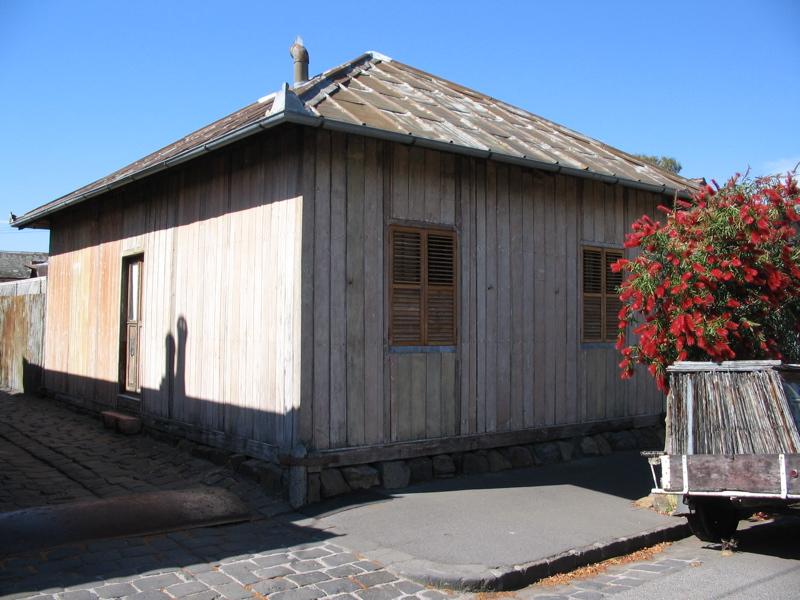
Singapore Cottages are known to have been imported into Victoria during the gold rush period, at a time when thousands of prefabricated buildings were being imported. Many were wooden houses, but other materials, such as cast iron, were also favoured for prefabrication.
Singapore Cottage
Victorian gold rush began in 1851, when nuggets could be plucked from the ground without even digging = population explosion; 100,000 extra people in three years, more than a million over the decade
Singapore Cottages are known to have been imported into Victoria during the gold rush period, at a time when thousands of prefabricated buildings were being imported. Many were wooden houses, but other materials, such as cast iron, were also favoured for prefabrication.
The construction of a Singapore Cottage is distinctive, with dedaru and meranti timbers of Malay origin, heavy framing techniques, and a variety of Chinese and other characters painted or marked on the timber members; these markings provided an assembly guide to erecting the building.
Collingwood
Prospectors like to drink, of course: Collingwood used to be one of the worst polluted places in the country; by the 1860s, there were six big breweries and two distilleries pouring endless pollution into the air and the Yarra River.
Melburnians either used chamber pots or a shed along the back-fence line. Excrement was mixed with either dry loam or clay to dry the waste, which then became known as nightsoil. Once a week, ‘nightmen’ would come up the bluestone alleyways running along the back of the houses and empty the earth closet through a small door at the back. Nightmen were then supposed to cart the nightsoil away for the use as fertiliser in market gardens, however, the nightmen often just dumped their loads on public roads which created a terrific stench. Not that using nightsoil as fertiliser is the best idea, anyway, it led to typhoid outbreaks that killed many babies.
Collingwood
Prospectors like to drink, of course: Collingwood used to be one of the worst polluted places in the country; by the 1860s, there were six big breweries and two distilleries pouring endless pollution into the air and the Yarra River.
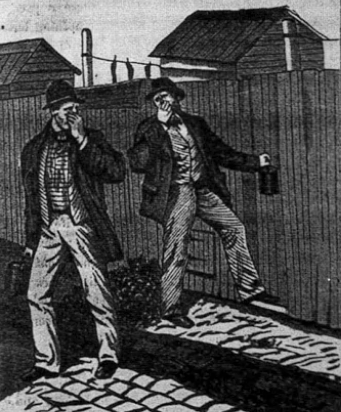
Melburnians either used chamber pots or a shed along the back-fence line. Excrement was mixed with either dry loam or clay to dry the waste, which then became known as nightsoil. Once a week, ‘nightmen’ would come up the bluestone alleyways running along the back of the houses and empty the earth closet through a small door at the back. Nightmen were then supposed to cart the nightsoil away for the use as fertiliser in market gardens, however, the nightmen often just dumped their loads on public roads which created a terrific stench. Not that using nightsoil as fertiliser is the best idea, anyway, it led to typhoid outbreaks that killed many babies.
A lot of the original bluestone cobbles have been concreted over. Melbourne has its own 'Roubaix' cycling race, named after a very famous and old race in France that takes place on cobbled roads. I took part once. The route is secret until the day of the race and each time it tries to connect up many of the best remaining and longest bluestone alleys throughout the city.
Studley Park Road
Flood height indicator under Studley Park Road - rose to over 8 metres in the worst flood ever of 1934
Before the Upper Yarra dam was built in 1956, flooding used to occur annually in the Yarra Valley.
Studley Park Road
Flood height indicator under Studley Park Road - rose to over 8 metres in the worst flood ever of 1934
Before the Upper Yarra dam was built in 1956, flooding used to occur annually in the Yarra Valley.
The season just past was when new bark canoes could be made before the October floods. Bark Harvesting Season started from the time of silver wattles flowering. Due to the sap now rising in the trees, they gave up their bark easily. After the August period the bark increasingly stuck like glue to the tree.
Harvesting bark in August also gave the tree a better chance of healing before the heat of summer. In almost all the scarred canoe trees, the scar is on the south-east side of the tree. This was no coincidence, because this aspect also gave the tree the best chance of healing. It is protected from the northerly sun, and the desiccating westerly summer winds.
Geology
Exposed strata near the bridge
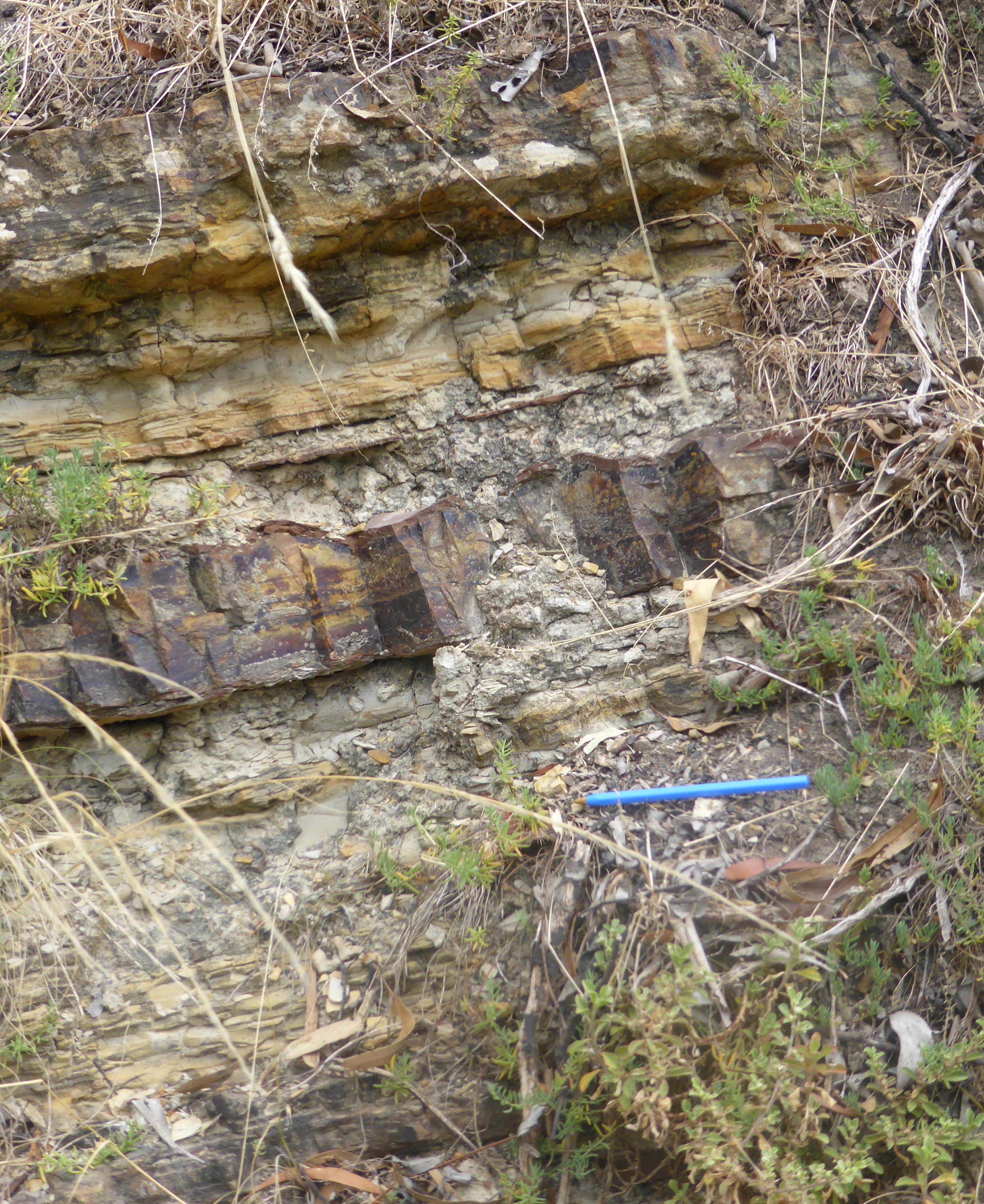
The oldest rocks in the park are 400 million years in age. Layers of sandstones and interbedded mudstones were deposited on an ocean floor in deep water over 100s and 1000s of years. Mudstones generally indicate still water conditions and sandstones indicate a high energy water environment – think of the river vs beach!
Geology
Exposed strata near the bridge
The oldest rocks in the park are 400 million years in age. Layers of sandstones and interbedded mudstones were deposited on an ocean floor in deep water over 100s and 1000s of years. Mudstones generally indicate still water conditions and sandstones indicate a high energy water environment – think of the river vs beach!
Unlike the image above, however, you will notice that not all of the interbedded sandstones and mudstones are horizontal – in fact many are vertical! How does this happen? Folding and Faulting. Compression (i.e. pushing together) about 380 million years ago buckled all of the originally horizontal beds.
Dights Falls
Weir for mill, turbine house on the other side, fish ladder
Below the falls, the river is affected by tides, bringing salty water up from Port Phillip Bay. Above the falls the water remains fresh.
Dights Falls
Weir for mill, turbine house on the other side, fish ladder
Below the falls, the river is affected by tides, bringing salty water up from Port Phillip Bay. Above the falls the water remains fresh.
Flows from a volcano which erupted around 2.2 million years ago flowed down the Merri Creek, with another flowing down Darebin Creek around 800,000 years ago.
Represents the junction between the Silurian mudstones and sandstones and the Cenozoic basalt on the opposite side of the bank. The difference in height has occurred because of weathering – it is a lot easier to erode basalt than it is lithified sandstone!
The rock falls would have provided the Aboriginal people with a natural river crossing and place to trap migrating fish. It was also a meeting place for many clans where they would trade, settle disputes and exchange brides.
The Dights Falls Pumping Scheme provided high-pressure water for lifts in the City centre, enabling the early construction of Melbourne's distinctive tall buildings, such as the 12-story APA Building, among the world's tallest commercial buildings upon completion in 1889.
Cliff viewpoint
The Freeway cut through an Indigenous burial ground, and the course of the Yarra itself had to be realigned. This realignment occurred right near the confluence of Merri Creek and the Yarra, a burial place of important Wurundjeri leaders and warriors.
Apart from August being ‘Bark Harvest Season’ the month is significant because many of their leaders have died in this month, such as Bebejern in 1836, from the common cold, only a year after the famed meeting with Batman further up Merri Creek in 1835.
Cliff viewpoint
The Freeway cut through an Indigenous burial ground, and the course of the Yarra itself had to be realigned. This realignment occurred right near the confluence of Merri Creek and the Yarra, a burial place of important Wurundjeri leaders and warriors.
Apart from August being ‘Bark Harvest Season’ the month is significant because many of their leaders have died in this month, such as Bebejern in 1836, from the common cold, only a year after the famed meeting with Batman further up Merri Creek in 1835.
For 600,000 acres of Melbourne, including most of the land now within the suburban area, Batman paid 40 blankets, 42 tomahawks, 130 knives, 62 pairs of scissors, 40 looking glasses, 250 handkerchiefs, 18 shirts, 4 flannel jackets, 4 suits of clothes and 150 pounds of flour.
Bebejern was buried at this confluence, just across from us, in traditional knees under the chin position and sheeted in bark. He was the father of William Barak, the last chief of the Yarra Yarra tribe, whose face you might have seen in the city, there's an apartment tower with his likeness perforated in the facade.
Headland after the falls
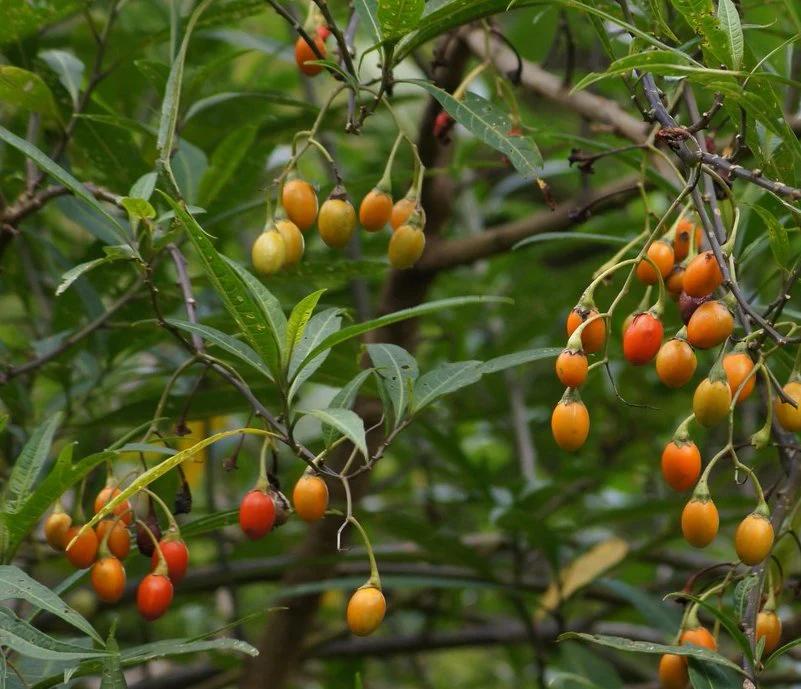
The arrival of Darebin the Welcome Swallow and the hatching of butterflies marks the start of ‘Regeneration and Women’s Business Season’. This occupies the tenth and eleventh lunar months from August 31 to October 25. Through the contraceptive properties of the kangaroo apple, Aboriginal women were able to plan all births to occur in this period and so be in tune with nature.
Toxic when green; harmless when red
Headland after the falls
The arrival of Darebin the Welcome Swallow and the hatching of butterflies marks the start of ‘Regeneration and Women’s Business Season’. This occupies the tenth and eleventh lunar months from August 31 to October 25. Through the contraceptive properties of the kangaroo apple, Aboriginal women were able to plan all births to occur in this period and so be in tune with nature.
Toxic when green; harmless when red
Some of the only remnant river red gums are in this area
Cairn viewpoint
Charles Grimes reached Dights Falls by boat in 1803, first white folks to visit. Apparently he once held a 120-acre block of land that is now the entire suburb of Kirribilli.
From here you can see the yellow tops of Willsmere, a private residential estate that used to be the Kew Asylum. Opened in 1871 to serve as overflow from the now disappeared Yarra Bend Asylum.
Cairn viewpoint
Charles Grimes reached Dights Falls by boat in 1803, first white folks to visit. Apparently he once held a 120-acre block of land that is now the entire suburb of Kirribilli.
From here you can see the yellow tops of Willsmere, a private residential estate that used to be the Kew Asylum. Opened in 1871 to serve as overflow from the now disappeared Yarra Bend Asylum.
Viewpoints: calming for the soul and mind! In-vogue idea in the 19th century. Residents also did things like gardening, they had to be self-sufficient.
By 1843 Governor Gipps had a change of mind regarding the care of the mentally disturbed and introduced legislation accepting care for the “lunatics and idiots.” Surveyor Robert Hoddle selected a site on the Yarra Bend above Dights Fall and 620 acres was put aside for the asylum. A sum of £3,000 was allocated for the construction work and tenders were issued.
By 1865 the chronic overcrowding became so bad that the Victorian government commenced work on Kew Asylum.
Diagnoses from the first 10 patients at Yarra Bend: “ordinary insanity”; “raving madness”; “dissolute habits”; “acute mania caused by childbirth”, probably postnatal depression
Link to Underfoot: The Facility podcast: "The site has been home to an asylum, a women’s prison, a Native School, a police barracks, a girl’s home, an AIDS hospital, and more. In different ways, each of these institutions sought to regulate the body and soul to create ideal workers, citizens, and subjects."
Kanes Bridge
First built in 1928
Washed downstream in 1934, during Melbourne's worst-ever flood, which left 6,000 people homeless and caused several deaths
Kanes Bridge
First built in 1928
Washed downstream in 1934, during Melbourne's worst-ever flood, which left 6,000 people homeless and caused several deaths
Rebuilt the next year
8-9 River Retreat
Originally called Macaulay's Boat House, built 1890, it is now one of three remaining boat houses and the only residential boat house.
Surrounding gardens by landscape architects Ellis Stones and Paul Thompson
8-9 River Retreat
Originally called Macaulay's Boat House, built 1890, it is now one of three remaining boat houses and the only residential boat house.
Surrounding gardens by landscape architects Ellis Stones and Paul Thompson
1 acre of land
Sold for $6 million in 2020
Flying fox colony
At night the Grey-headed Flying-fox searches for food and may travel 50 km to its feeding areas. It eats fruit from a range of native and introduced species, particularly figs, and for this reason it is sometimes called 'Fruit Bat'. It also feeds on nectar and pollen from native trees, especially gum trees.
The young Grey-headed Flying-foxs are usually born in September to October and are carried by the mother for the first three weeks, clinging to her teat with their special curved milk teeth and gripping her fur with their strong claws. As they grow larger and become too heavy to carry on feeding expeditions, they are left behind in special 'creches' in the maternity camp. After about three months the young are able to fly and by five to six months of age they begin to feed independently.
Flying fox colony
At night the Grey-headed Flying-fox searches for food and may travel 50 km to its feeding areas. It eats fruit from a range of native and introduced species, particularly figs, and for this reason it is sometimes called 'Fruit Bat'. It also feeds on nectar and pollen from native trees, especially gum trees.
The young Grey-headed Flying-foxs are usually born in September to October and are carried by the mother for the first three weeks, clinging to her teat with their special curved milk teeth and gripping her fur with their strong claws. As they grow larger and become too heavy to carry on feeding expeditions, they are left behind in special 'creches' in the maternity camp. After about three months the young are able to fly and by five to six months of age they begin to feed independently.
Freeway
Detour up to bridge to take a look
Freeway protests in the 1970s
Freeway
Detour up to bridge to take a look
Freeway protests in the 1970s
Subtle aspects of its design (such as not concreting over the rock cuttings)
Ironically and contentiously nominated for heritage listing in 2019 citing this history and design; eventually rejected, though
Fairfield Pipe Bridge
The Fairfield Pipe Bridge located just south of the Fairfield Boat House was built in 1878 to carry water from the Yan Yean Reservoir to Kew. The bridge was washed away in the 1934 flood that I keep mentioning. A new pipe bridge was built close to the site of the original bridge. The original pylons were later demolished and no signs remain of the first pipe bridge.
Fairfield Pipe Bridge
The Fairfield Pipe Bridge located just south of the Fairfield Boat House was built in 1878 to carry water from the Yan Yean Reservoir to Kew. The bridge was washed away in the 1934 flood that I keep mentioning. A new pipe bridge was built close to the site of the original bridge. The original pylons were later demolished and no signs remain of the first pipe bridge.